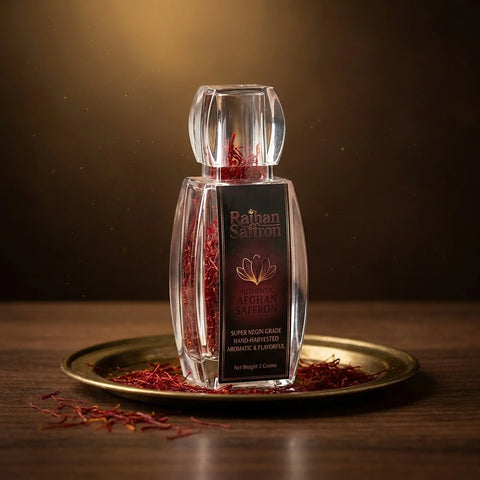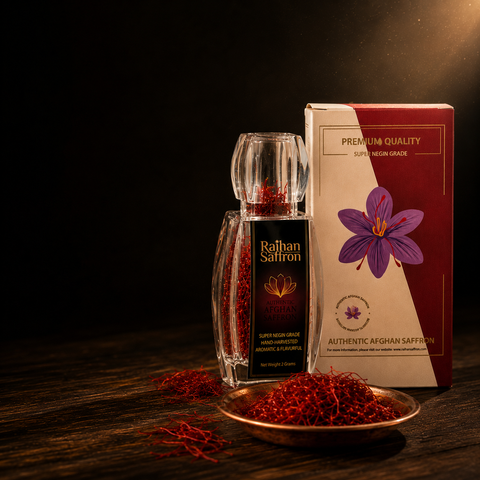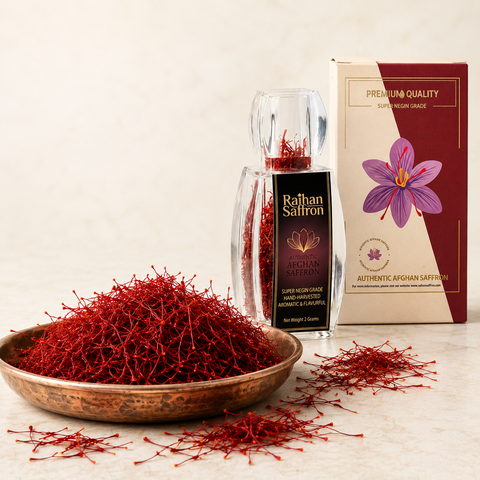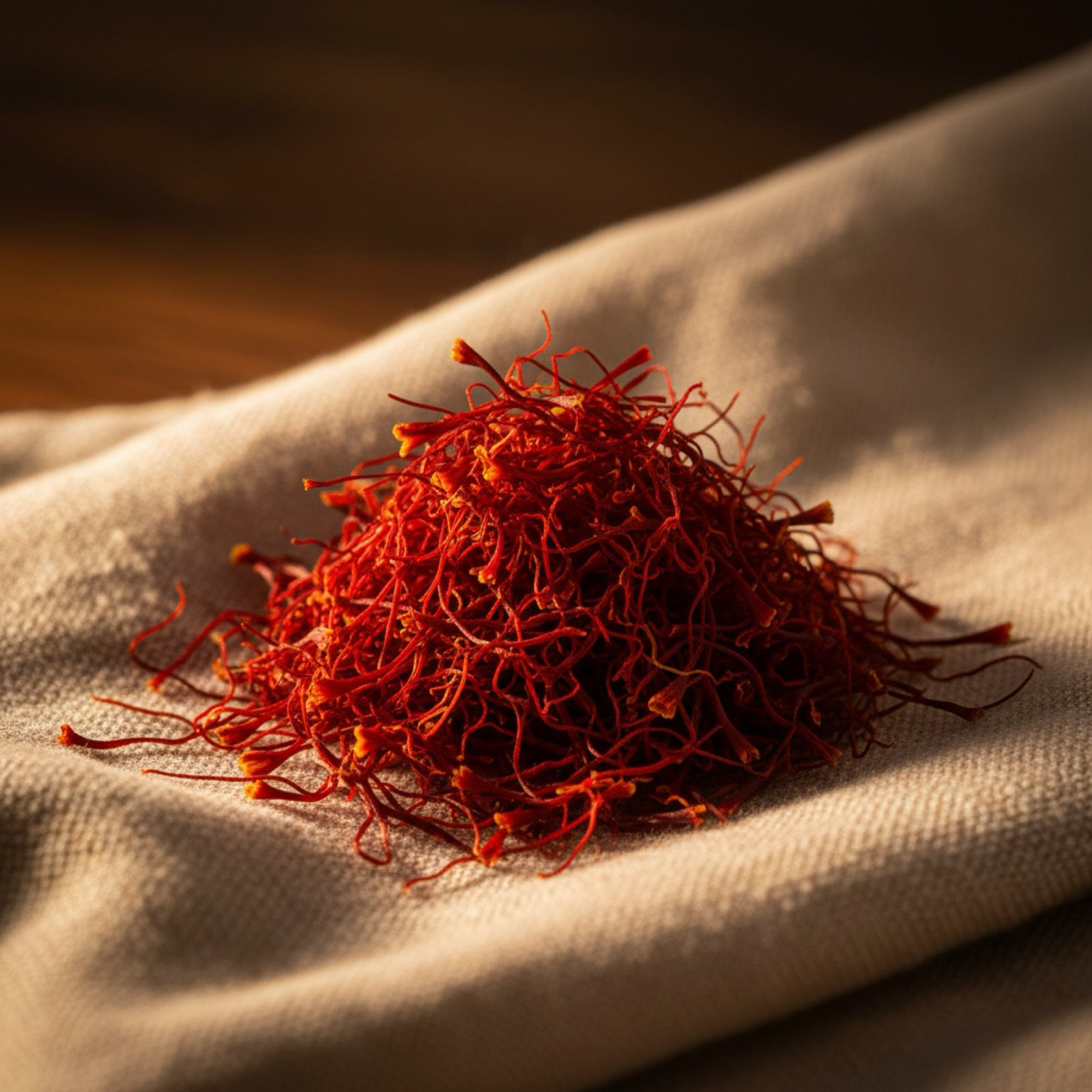
Saffron's color and rarity have made it sacred in multiple traditions. In Hinduism and Buddhism, the saffron color symbolizes asceticism and renunciation. In Persian and Afghan weddings, saffron rice is showered over the couple. In Christian tradition, it has dyed liturgical robes since the early medieval period.
Hinduism and Buddhism
Saffron-colored robes mark renunciate monks. The color itself is sacred long before the spice is used.
Zoroastrianism
In Persia, saffron has been used in temple offerings for over 2,000 years.
Editor's note
If you are cooking for a celebration, bloom your saffron in warm milk or rosewater rather than water — the fat and floral notes carry its aroma through festive sweets like sholeh zard and kheer. A dozen threads is enough for a family-sized pot; the tradition has always been about grace, not excess.
Christianity
The saffron color in medieval Christian liturgical robes (especially in the Mozarabic rite in Spain) used real saffron dye.
Weddings
- Persian: Saffron rice on the sofreh aghd (wedding spread).
- Afghan: Saffron and rosewater sweets at engagement and wedding.
- Indian: Saffron in haldi-and-mehndi sweets and the wedding feast.
- Greek/Cretan: Saffron bread for Easter.
Festivals
- Nowruz (Persian New Year): Saffron rice pudding and sweets.
- Eid (Afghan/Indian/Mediterranean Muslims): Saffron sheer, sheer yakh, kheer.
- Diwali (Indian): Saffron kulfi and barfi.

Why this matters
Saffron is not just a flavoring agent. In every household that has cooked with it for generations, it carries memory.
Continue reading